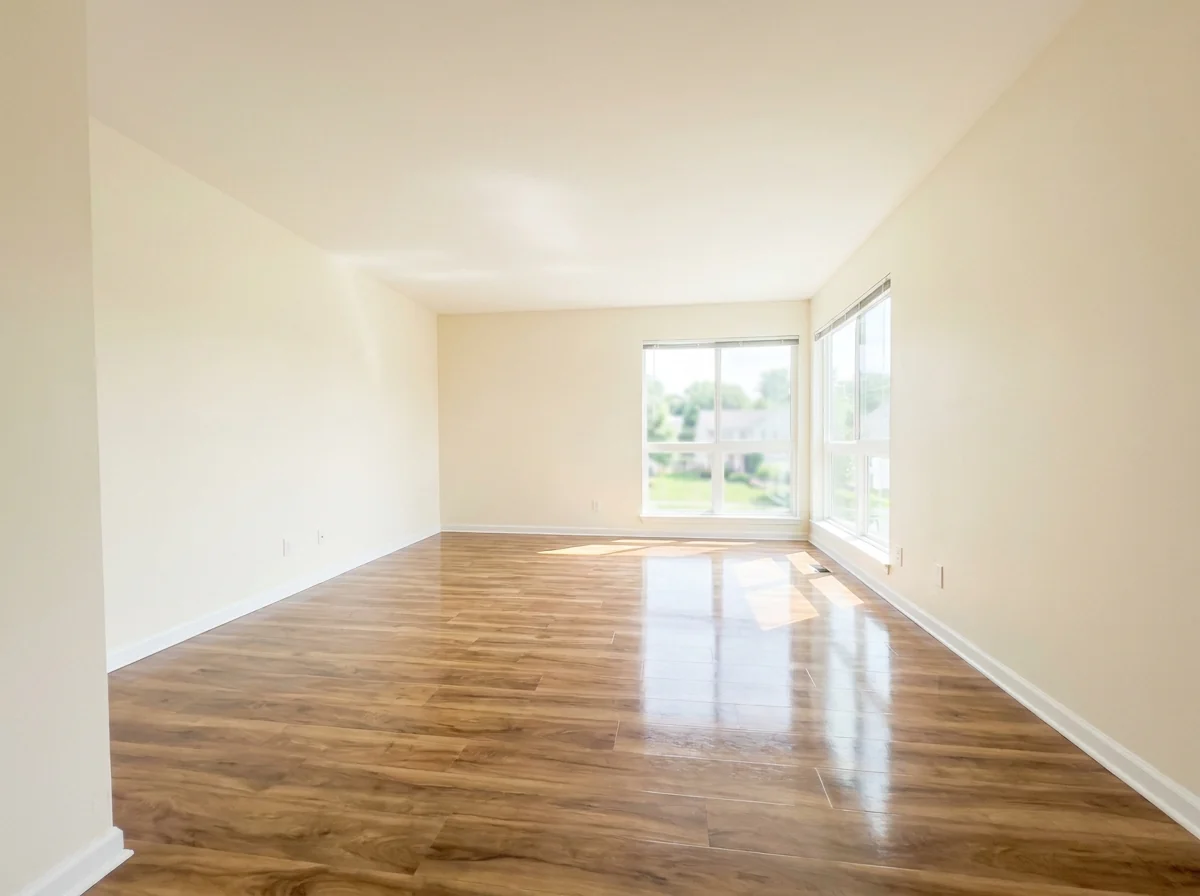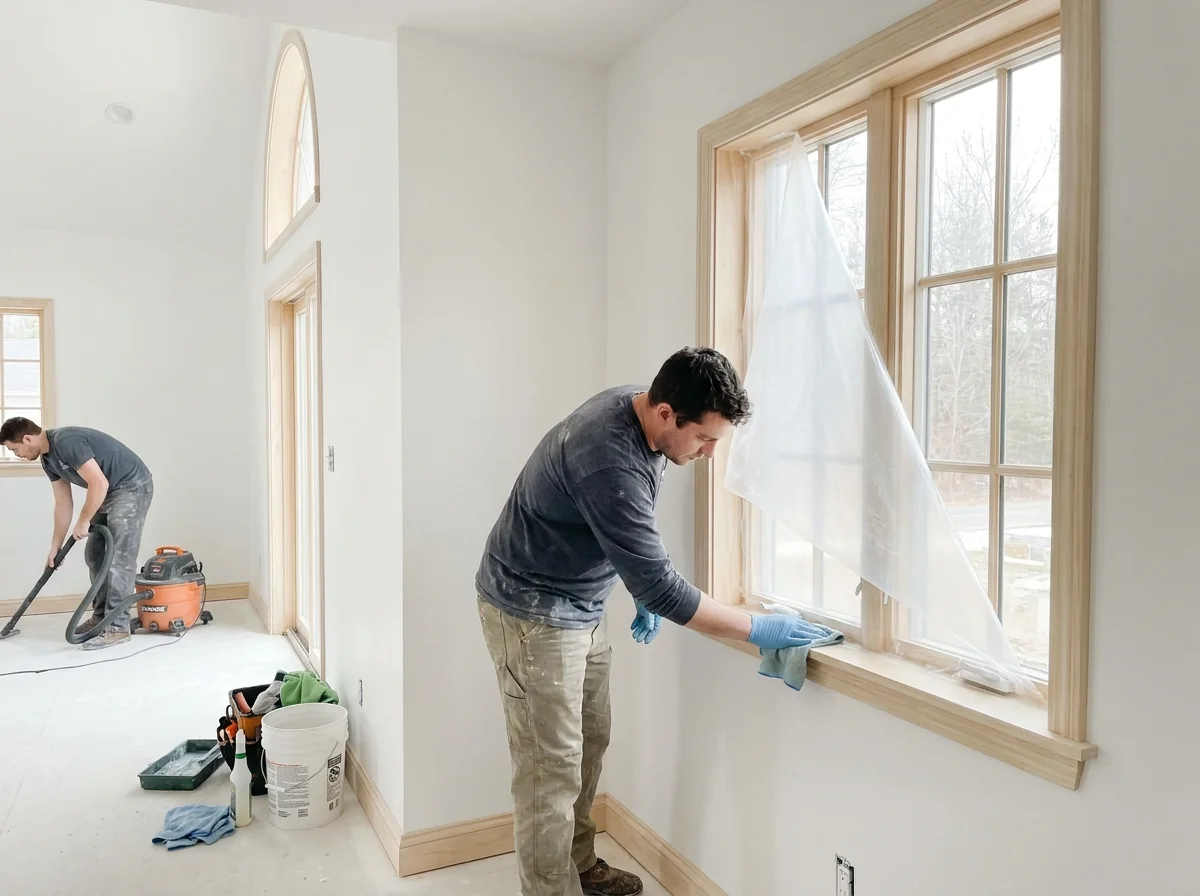
If you've ever tried to wipe down a room after a renovation with a normal cleaning routine, you already know: it doesn't work the same way. Here's why, and what actually gets a freshly finished space livable.
Why construction dust is different
Drywall dust in particular is extremely fine — fine enough to pass through standard filters and settle into places you wouldn't expect: inside light fixtures, deep in carpet fibers, inside cabinet joints, and coating HVAC vents. A quick wipe-down redistributes it rather than removing it, which is why dedicated post-construction cleaning uses different tools and a different order of operations.
The typical three-pass approach
- Rough pass: Removing visible debris, larger dust deposits, stickers, and protective coverings.
- Detail pass: Working room by room through every surface, fixture, vent, and window track with dust-specific tools (often including HEPA vacuums).
- Final polish pass: The finishing touch — glass, mirrors, fixtures, and floors brought to a genuinely move-in or show-ready standard.
What's typically included
- Fine dust removal from every surface, sill, and vent
- Interior and exterior window and glass cleaning, including tracks and frames
- Floor detailing appropriate to the surface (sweep/vacuum/wet-mop as needed)
- Cabinet and closet interiors wiped of construction dust before you start moving items in
- Removal of paint spatter, tape residue, and protective stickers from fixtures and glass
Timing it right
The best time to book is after all trades have finished their work and any protective coverings have been removed, but before furniture and belongings move in. Cleaning an empty space is meaningfully faster and more thorough than cleaning around boxes and furniture.
What homeowners are often surprised by
- How much dust settles in areas that look clean at first glance — vents, light fixture interiors, closet shelving
- How long a thorough job actually takes compared to a standard cleaning visit of the same square footage
- That HVAC filters often need replacing immediately after, since construction dust clogs them fast
For contractors and property managers
If you're managing multiple units or projects, a consistent post-construction cleaning partner who understands renovation timelines (and can work around trade schedules) is worth establishing as a standing relationship rather than sourcing fresh for every project.